What the study reports
A multicenter case series in Nature describes eight people from seven unrelated families who had changes in both copies of the RDH11 gene. The researchers report a consistent pattern involving retinitis pigmentosa (RP), cataracts beginning at birth or in early childhood, and neurodevelopmental differences. Their findings add to earlier family reports and a more recent larger study examining RDH11-related disease.
RDH11 encodes a retinol dehydrogenase, an enzyme involved in handling retinoids, which are vitamin A-related molecules important in the visual cycle. The article also notes that RDH11 is expressed beyond the eye, providing biological context for why some affected people may have features outside the retina.
Findings in the reported cohort
The eight participants were aged 9 to 63 years. Genetic testing found homozygous RDH11 variants in every affected person. Two of the variants had not previously been reported. According to the authors, the genetic findings support loss of RDH11 function as the main disease mechanism.
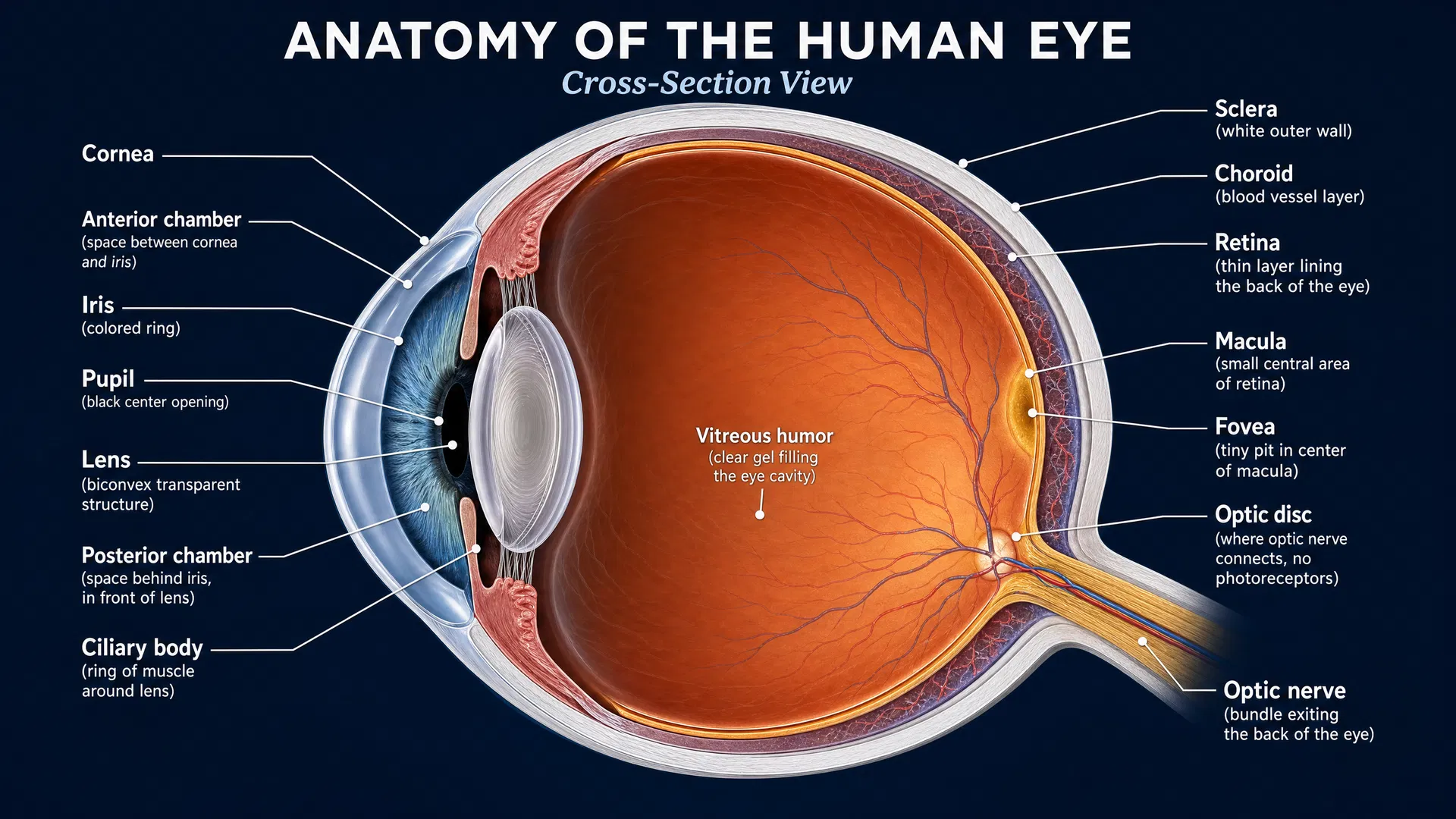
From the eye assessments, the central reported pattern was bilateral congenital or early-childhood cataracts together with RP. Cataracts required surgery in the described cohort. The authors characterize this combination as a hallmark of the condition they studied.
The case series also documented non-eye features. Neurodevelopmental delay was common and included intellectual disability, autism spectrum disorder, and learning difficulties. Other features reported in some participants included congenital microcephaly, restricted growth before and after birth, distinctive facial features, and dental differences.
The paper places these observations alongside previous reports of people with biallelic RDH11 variants who had retinal dystrophy, cataracts, developmental features, and, in some cases, muscle-related findings. The current cohort expands the number of unrelated families described and broadens the reported genetic and clinical spectrum.
Why this may matter
For families and clinicians evaluating RP alongside unusually early cataracts and developmental concerns, this report provides additional published evidence that RDH11 should be considered in genetic assessment of a syndromic retinal condition. The study may also help clinical teams recognize that the reported condition can involve multiple body systems rather than vision alone.
For the inherited retinal disease community, the work strengthens the evidence base around a rare gene-disease association. The researchers describe their findings as independent replication of RDH11-related syndromic RP. Importantly, the paper reports genetic and clinical observations; it does not present a treatment study or evidence that a specific intervention changes vision, cataracts, developmental outcomes, or other features.
Important limitations
This was a retrospective case series, meaning the researchers gathered existing clinical, eye, and genetic information from participating centers rather than following a newly recruited group over time under a single study protocol. The cohort was small—eight people—and rare-disease case series cannot establish how often every reported feature occurs in all people with biallelic RDH11 variants.
The supplied article material does not provide full participant-level details, long-term progression data, or evidence about treatment effectiveness. It also does not establish that every person with two RDH11 variants will have the same combination or severity of eye, developmental, growth, dental, or muscle-related findings. Further studies with additional families and longer follow-up will be needed to better define the range of presentations.
Publisher source
Nature, published September 16, 2026: Biallelic RDH11 variants cause syndromic retinitis pigmentosa with early-onset cataracts and neurodevelopmental delay: a multicenter case series