Early report points to optogenetics research in retinitis pigmentosa
STAT reported on October 7 that a small clinical trial has examined optogenetics as a possible approach for vision loss caused by retinitis pigmentosa (RP). According to the publication, the work was described in a paper published that day in The New England Journal of Medicine.
The available STAT report characterizes the study as an early exploration of the technology’s safety and clinical potential. Its headline states that some vision lost to RP was restored in the small trial. However, the publisher text available for this summary does not provide the number of participants, the specific optogenetic product or procedure used, participants’ genetic diagnoses, measures of vision, length of follow-up, adverse-event information, or detailed study results.
What optogenetics is designed to do
STAT describes optogenetics as a technology that genetically engineers selected cells to become more sensitive to light. In the context of retinal disease research, this general strategy is being investigated as a way to enable light responsiveness in cells that remain after the retina’s usual light-sensing cells have degenerated.
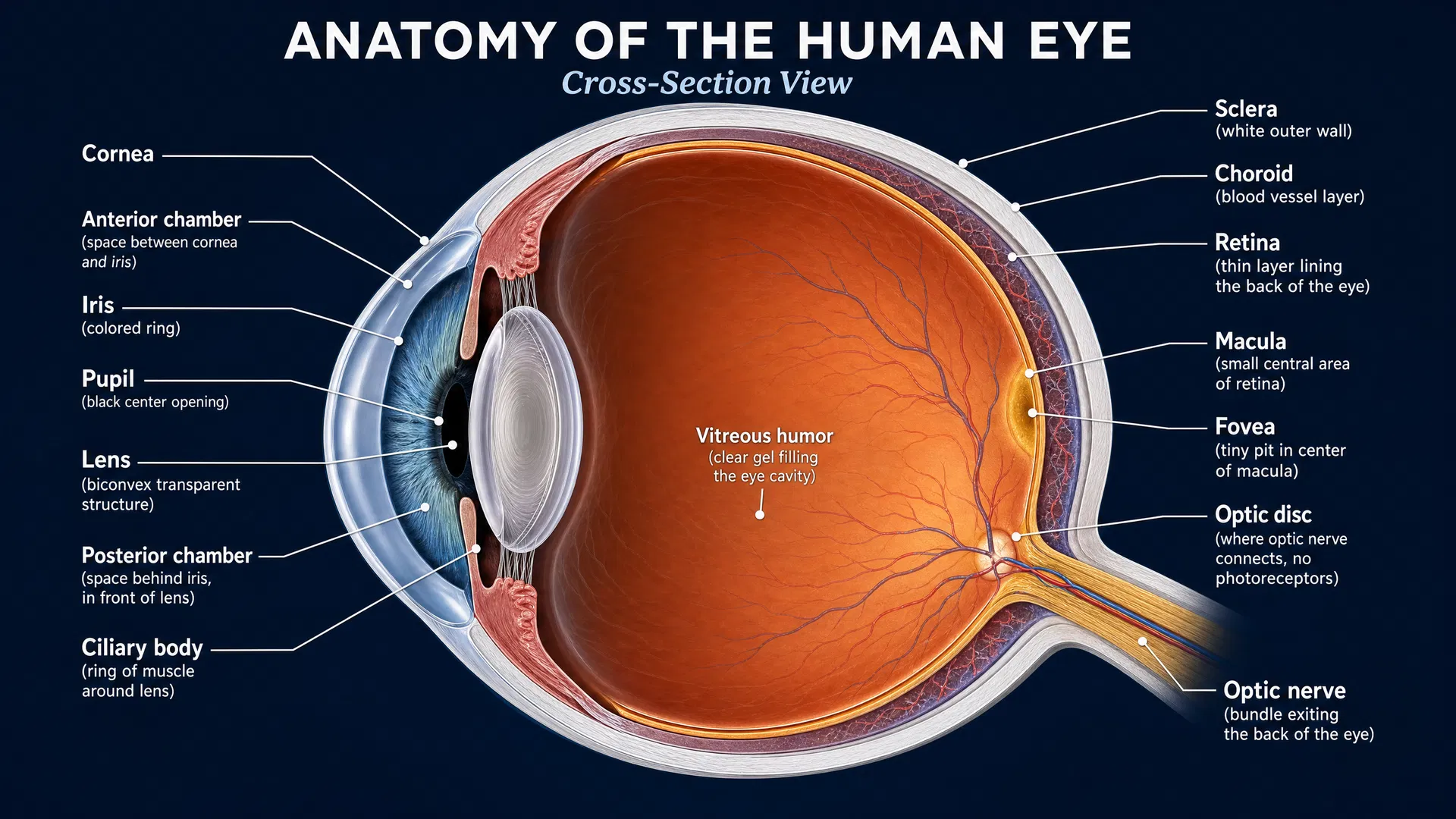
RP is a group of inherited conditions involving degeneration of the retina’s light-sensing cells. STAT notes that it is often identified during childhood or adolescence and can lead to progressive loss of night and side vision. The publication also reports that, apart from a subset of people with a specific genetic mutation who may be eligible for gene therapy, there is no cure described in its article.
Why this report may matter
The report is notable because it concerns a potential research path for people with RP whose vision loss results from retinal degeneration. Optogenetics is distinct from approaches intended to correct a particular disease-causing gene: it aims to alter light sensitivity in targeted cells. That distinction could be relevant to the broad range of genetic causes included under the RP label.
Still, the STAT item presents this work as a small trial and an assessment of safety and clinical potential, rather than as an established treatment. A small study can provide important early evidence, but it cannot by itself determine how consistently an intervention works, how durable any observed changes may be, which people may be eligible, or its longer-term safety profile.
Important unanswered questions
Because the publisher’s accessible text contains limited trial detail, readers should not interpret the report as evidence that optogenetics is available, effective for all forms of RP, or appropriate for any individual. It does not state whether findings were compared with a control group, whether changes affected everyday visual tasks, or whether results varied by stage or genetic cause of disease.
For patients and families following this area, the key takeaway is that an early optogenetics study has been reported in a major medical journal. Further information from the full study, including participant characteristics, study design, visual outcomes, and safety findings, would be needed to assess the research more fully.
Publisher source
STAT: “In small trial, optogenetics restores some vision lost to retinitis pigmentosa”