Why This Study Matters
Retinitis pigmentosa (RP) is a group of inherited retinal diseases in which light-sensing photoreceptor cells progressively degenerate. As vision loss advances, people may lose the ability to detect light and navigate their surroundings independently. At these later stages, treatments designed to preserve remaining photoreceptors may no longer be suitable because too few of these cells remain.
A 2026 open-label clinical study published in The New England Journal of Medicine investigated a different strategy: optogenetic therapy. Rather than attempting to repair or replace damaged photoreceptors, this approach aims to make other surviving retinal cells responsive to light. The study tested whether this treatment approach could be delivered safely and whether it could improve light sensitivity in people with blindness caused by advanced RP.
Reprogramming Retinal Ganglion Cells to Detect Light
The treatment used an adeno-associated viral (AAV) vector, a commonly used gene-delivery tool, to carry instructions for a light-sensitive protein called ChrimsonR. ChrimsonR is a red-shifted channelrhodopsin, meaning it can be activated by longer-wavelength light.
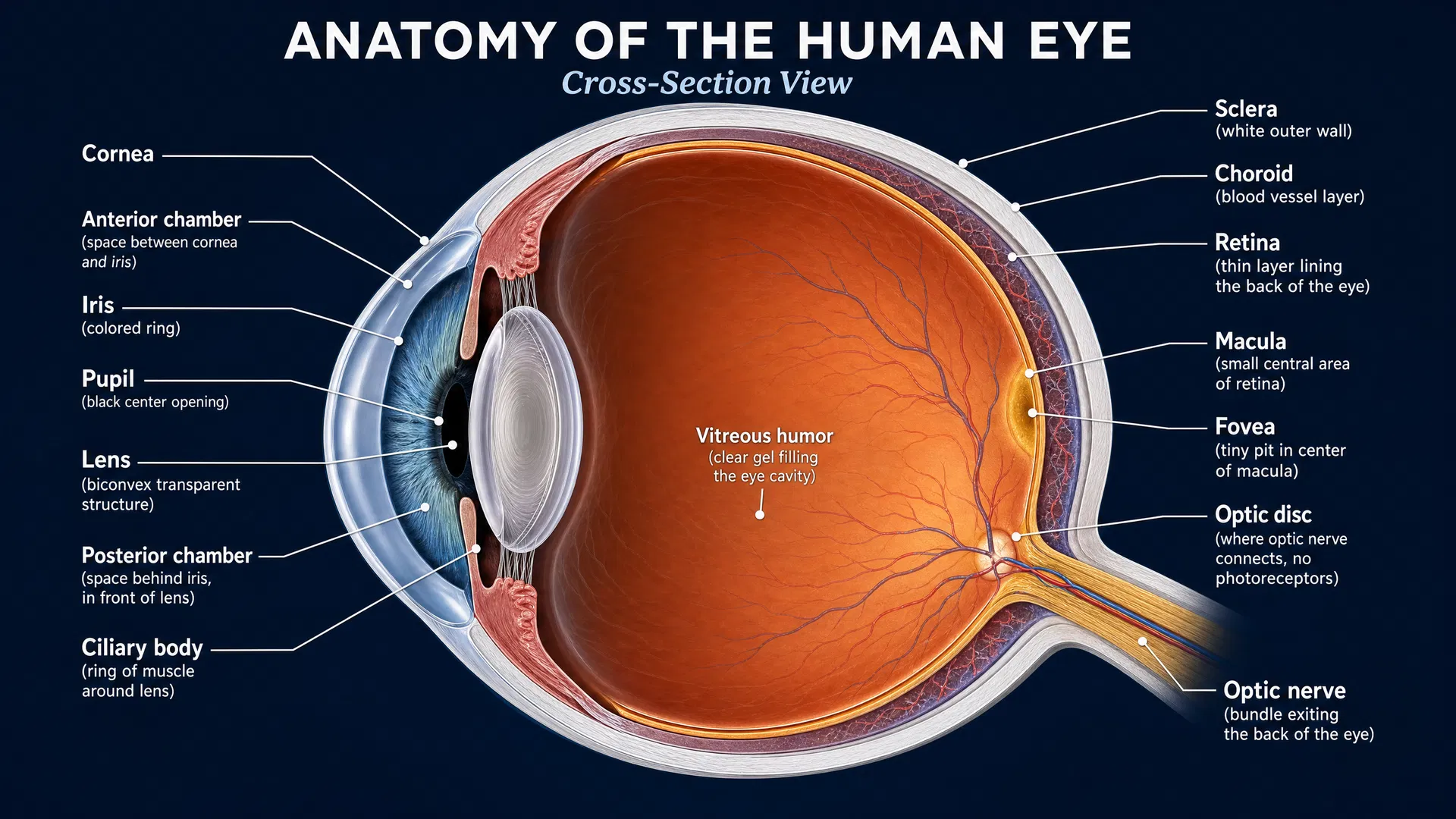
The AAV vector was delivered through a single intravitreal injection, an injection into the gel-like fluid inside the eye. Its goal was to target retinal ganglion cells. These cells normally receive visual signals from photoreceptors through the retina’s neural circuitry and send information onward to the brain through the optic nerve. In this study, ganglion cells were intended to become directly responsive to light after receiving the gene for ChrimsonR.
Participants also used specially designed light-stimulating goggles. These goggles were designed to provide light capable of activating ChrimsonR, making them an essential part of the treatment system rather than a separate visual aid.
How the Trial Was Conducted
The PIONEER study enrolled 10 participants with blindness due to advanced RP. Each person received the optogenetic treatment in their worse-seeing eye. The main purpose of the study was to evaluate safety.
Researchers also assessed changes in light sensitivity using full-field stimulus threshold (FST) testing. During this test, the untreated eye was patched so that measured responses reflected the treated eye. Testing was performed with the light-stimulating goggles used to activate ChrimsonR.
The investigators described a decrease of at least 0.6 log units in FST threshold as clinically meaningful. In practical terms, this represents an approximately fourfold increase in light sensitivity. This threshold was based on published evidence but was not specified in the study protocol before the trial began.
Key Findings: Most Participants Had Increased Light Sensitivity
Light sensitivity increased in 7 of the 10 participants. The size of these increases ranged from a factor of 2.0 to 62.3. Six participants reached the study’s definition of a clinically meaningful improvement: at least a fourfold gain in light sensitivity.
These findings are important because they suggest that even in advanced RP, when photoreceptor loss is severe, it may be possible to restore an aspect of visual function by using surviving retinal cells in a new way. The measured outcome was light sensitivity, not restoration of normal vision. Still, detecting light more effectively may represent a meaningful functional change for people with profound vision loss.
Safety Results and What They Show
A total of 34 ocular adverse events occurred among 9 of the 10 participants. Of these events, 23 were mild and 10 were moderate. There was one severe event: a transient blockage of the central retinal artery immediately after the intravitreal injection. It resolved within minutes after treatment with iopidine.
Within the limits of this small study, the researchers concluded that intravitreal administration of the ChrimsonR-expressing AAV vector, combined with the activating goggles, was safe. The study’s small size and open-label design mean that further research is needed to build a clearer picture of both safety and effectiveness.
A Different Path for Treating Advanced RP
Many emerging genetic treatments for inherited retinal disease are designed around a particular disease-causing gene or depend on preserving photoreceptors before they are lost. Optogenetic therapy takes a potentially broader approach: it seeks to provide light responsiveness to remaining retinal cells. In principle, this may make it relevant to people with advanced retinal degeneration, including individuals whose underlying RP-associated gene may differ.
The study also highlights that future optogenetic treatment may involve a combination of gene delivery and external technology. In this case, the goggles were designed specifically to stimulate the newly light-sensitive ganglion cells. Understanding how people use such systems in everyday settings will be an important part of continued development.
Looking Ahead
The PIONEER results provide encouraging early clinical evidence that ganglion cell-directed optogenetic therapy can increase light sensitivity in some people with advanced RP. The next steps are to assess this approach in additional research, with continued attention to safety and to the extent of visual benefit that can be achieved.
For the RP community, this research expands the treatment conversation beyond slowing degeneration. It points toward a future in which therapies may also aim to restore selected aspects of visual function after substantial retinal damage has occurred.