Why this study matters for Bardet-Biedl syndrome
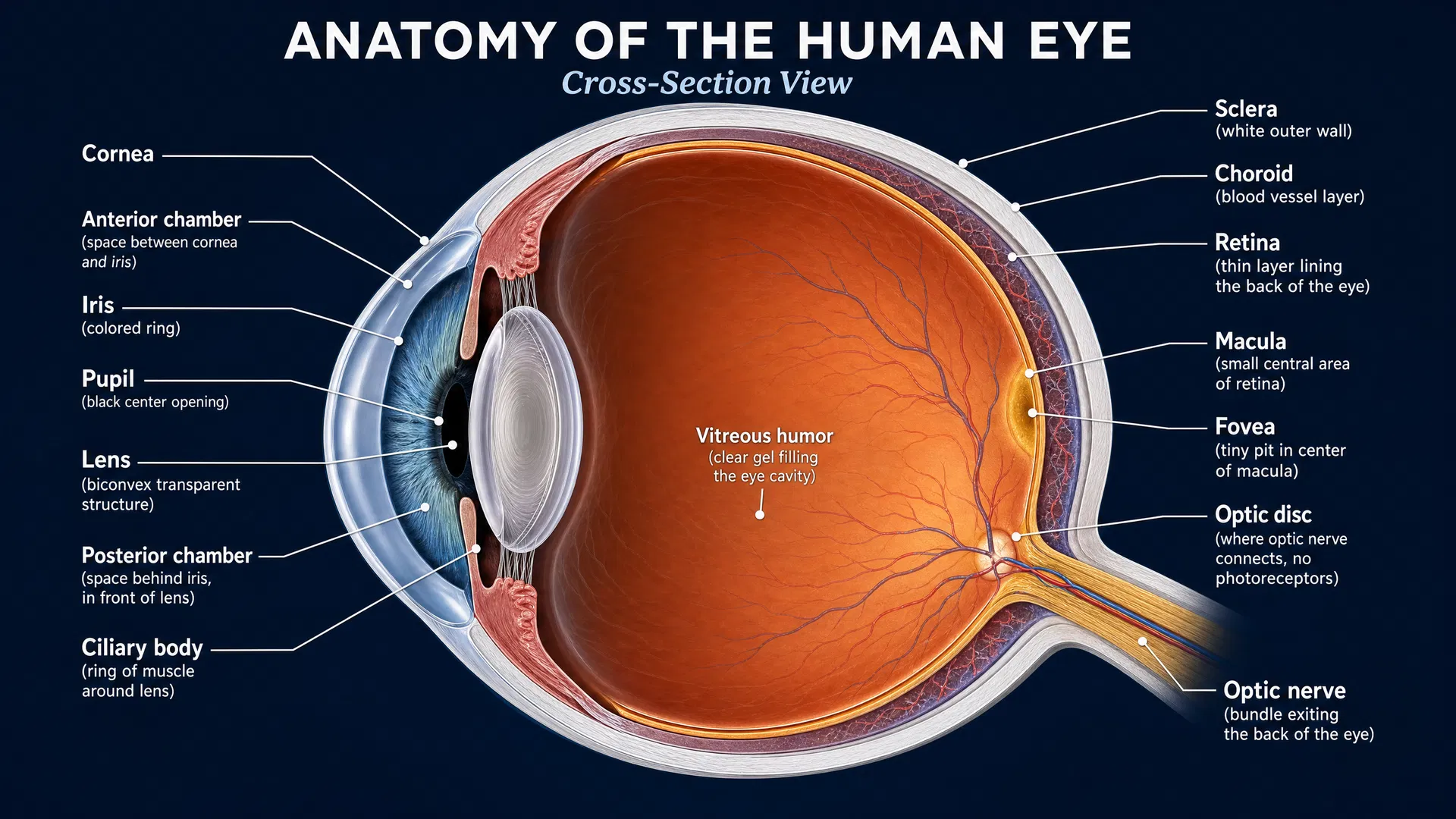
Bardet-Biedl syndrome (BBS) is an inherited condition that can affect the retina—the light-sensitive tissue at the back of the eye—and lead to progressive vision loss. Because inherited retinal diseases (IRDs) can look similar in the clinic while being caused by changes in many different genes, finding the underlying genetic cause is a central step for individuals and families seeking a diagnosis.
A 2026 study from a tertiary ophthalmic center in Shaanxi, Northwest China, offers an important regional view of IRD genetics. Among the conditions evaluated, Bardet-Biedl syndrome achieved a 100% molecular diagnostic confirmation rate. In other words, every participant clinically identified as having BBS in this cohort received a genetic finding that supported the diagnosis. Although the abstract does not report how many BBS participants were included or which BBS-related genes were found, this result highlights the value of genetic testing when BBS is suspected.
A five-year snapshot of inherited retinal disease genetics
The researchers enrolled 116 people with IRDs over five years. Most participants—92 people—received whole-exome sequencing (WES), a method that examines the protein-coding portions of thousands of genes. The remaining 24 underwent a targeted hereditary eye disease enrichment panel, designed to examine genes already known to be associated with inherited eye conditions.
The study also emphasized family-based testing. Co-segregation analysis was completed for family members of 111 probands, the first affected person in a family to undergo genetic evaluation. This analysis asks whether a candidate genetic change is inherited within a family in a pattern consistent with the disease. For families affected by BBS, this approach can help clarify whether genetic findings support the suspected inheritance pattern and can make a molecular result more convincing.
Across the full cohort, investigators detected 129 sequence alterations, including 60 that had not previously been reported. The potential molecular diagnostic rate was 69%, meaning that a likely or possible genetic explanation was identified in more than two-thirds of participants.
Strong results in clinically recognizable conditions
Diagnostic success varied between retinal conditions. Stargardt disease, congenital stationary night blindness, fundus albipunctatus, and Bardet-Biedl syndrome each had 100% diagnostic confirmation. This suggests that when clinical features point strongly toward one of these conditions, modern sequencing can be especially effective at identifying a molecular cause.
For BBS families, this finding is encouraging for several reasons. A confirmed genetic diagnosis can distinguish BBS from other retinal disorders with overlapping symptoms. It can also support more informed family discussions about inheritance and guide referrals or evaluations that may be relevant to the broader syndrome. Importantly, the study’s abstract does not establish that all people with suspected BBS will receive a genetic answer; rather, it reports complete confirmation within this particular single-center cohort.
The highest diagnostic rates in the broader study were seen in children and adolescents (76.7%), participants with family co-segregation data (70.2%), and those enrolled during the most recent two years of recruitment (76.2%). These patterns may reflect both the added value of family samples and continuing improvements in genetic testing and interpretation.
What the inheritance findings show
Of the 80 cases considered molecularly solved or possibly solved, autosomal recessive inheritance was most common, accounting for 65%. Autosomal dominant and X-linked inheritance each accounted for 17.5%.
This overall pattern is relevant to BBS because BBS is typically considered within the group of disorders where identifying the precise genetic cause and inheritance pattern is particularly important for families. Genetic results can help clinicians interpret whether changes found in a person’s DNA fit the expected disease mechanism. The Shaanxi study demonstrates that combining detailed clinical assessment, sequencing, and family analysis can produce meaningful answers in a diverse IRD clinic population.
Implications for treatment and precision research
This study did not test a treatment, and it does not show that genetic testing itself changes vision. Its contribution is foundational: precision approaches to inherited retinal disease depend on knowing which gene is involved.
As gene-targeted and other precision treatments are developed, accurate molecular diagnosis becomes increasingly important. A genetic result may help identify people who could be relevant for future gene-specific research, natural-history studies, or clinical trials. The authors note that defining regional genetic patterns may help refine diagnostic strategies and support development of broadly applicable precision treatments.
The study also found that the most frequently mutated genes across the entire cohort were ABCA4, BEST1, and CRB1. These findings describe the overall IRD population, not BBS specifically. Notably, the researchers found no EYS variants and reported a relatively higher frequency of variants in an RDH gene, underscoring that genetic patterns can differ by region.
Looking ahead
The Shaanxi cohort reinforces a clear message: genetic diagnosis is becoming an essential part of inherited retinal disease care and research. For Bardet-Biedl syndrome, the study’s complete diagnostic confirmation rate supports the use of comprehensive genetic evaluation when clinical findings suggest BBS.
Larger studies will be needed to identify the specific BBS genes represented in this regional population, measure how often each occurs, and connect genetic findings with long-term eye outcomes. Continued family-based testing, improved interpretation of newly identified variants, and broader access to sequencing should further strengthen the path from a clinical suspicion to a precise diagnosis—and, ultimately, to more tailored research and treatment opportunities.