Experimental approach studied in retinitis pigmentosa
A small early study has reported that some people with profound vision loss from retinitis pigmentosa (RP) showed improved light sensitivity and performance on selected object-based tasks after receiving an experimental optogenetic treatment and using specialized light-stimulating goggles.
The findings, published in The New England Journal of Medicine and reported by ScienceAlert, involved 10 participants with severe vision loss in both eyes. The trial was primarily designed to assess safety, rather than to establish effectiveness. It was not randomized and did not include a control group.
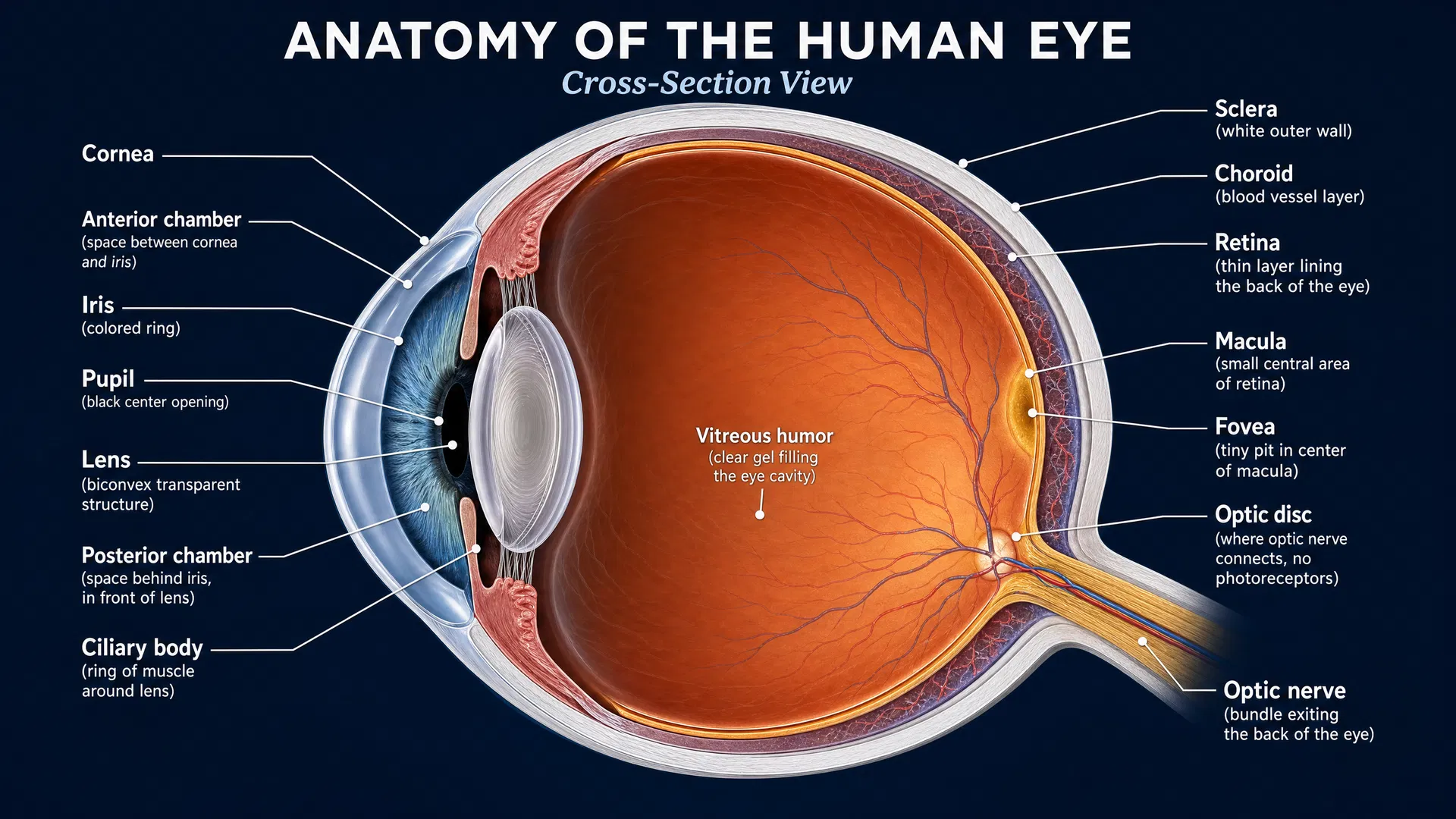
RP is a group of inherited retinal diseases in which genetic changes lead to damage of photoreceptors, the retina’s usual light-detecting cells. Because many different genes can underlie RP, approaches that do not target a single disease-causing gene may be relevant to research across multiple forms of the condition. However, this study evaluated one investigational approach in a small group and does not establish benefit for people with RP generally.
How the investigational system works
Each participant received an injection in their poorer-seeing eye. The injection used a modified viral vector to deliver genetic instructions for ChrimsonR, a light-sensitive protein, to retinal ganglion cells. These cells can remain after photoreceptors have been lost and normally carry visual information from the eye toward the brain.
The accompanying goggles included a camera, processor, and retinal projector. According to the researchers, the system converts changes in brightness captured by the camera into amber-light patterns intended to activate ChrimsonR in the treated retina. Participants received training in using the goggles before visual testing.
During assessments, the untreated eye was covered. Researchers examined the lowest level of light participants could detect while using the device and assessed tasks such as detecting a notebook, locating objects, reaching toward them, and distinguishing the orientation of a bar.
What researchers observed
Seven of the 10 participants had greater measured light sensitivity with the goggles after treatment, with reported changes ranging from approximately twofold to 62-fold. Six participants reached an increase of about fourfold or more, a level the team characterized as clinically meaningful based on prior work. ScienceAlert noted that this threshold was not prespecified in the trial protocol.
Eight participants completed the object tests with and without goggles. Four consistently showed better notebook-detection performance with the goggles across repeated sessions conducted over about one to one and a half years. Other participants did not show consistent improvement across the tested tasks. The criteria used to identify responders were also not specified in advance.
Brain-recording assessments were conducted in five selected participants. The report said findings in four of these participants supported the possibility that visual signals reached the brain, though some statistical estimates had confidence intervals that included no effect.
Safety and important limitations
The study reported 34 eye-related adverse events among nine participants, most described as mild or moderate. Seven participants developed intraocular inflammation that resolved with treatment. One participant experienced a severe but temporary central retinal artery blockage immediately after injection, which resolved within minutes after medication.
Researchers also recorded 70 systemic adverse events, including six severe events. The principal investigator and a data and safety monitoring board determined that none of the systemic events were related to the gene therapy or injection. Three mild systemic events were associated with the goggles.
Four participants completed five years of follow-up; others had shorter follow-up, and two withdrew earlier. GenSight Biologics funded the study, helped design it, and managed its data.
The results describe limited abilities under study conditions, not restoration of ordinary sight. The researchers said that face recognition and reading remain unavailable with the current system. Larger controlled studies will be needed to clarify safety, consistency of outcomes, and the practical significance of the observed changes.
Publisher source
ScienceAlert: Partial Vision Restored in Some Blind Patients With New Experimental Treatment