
Why This Research Matters for Retinitis Pigmentosa
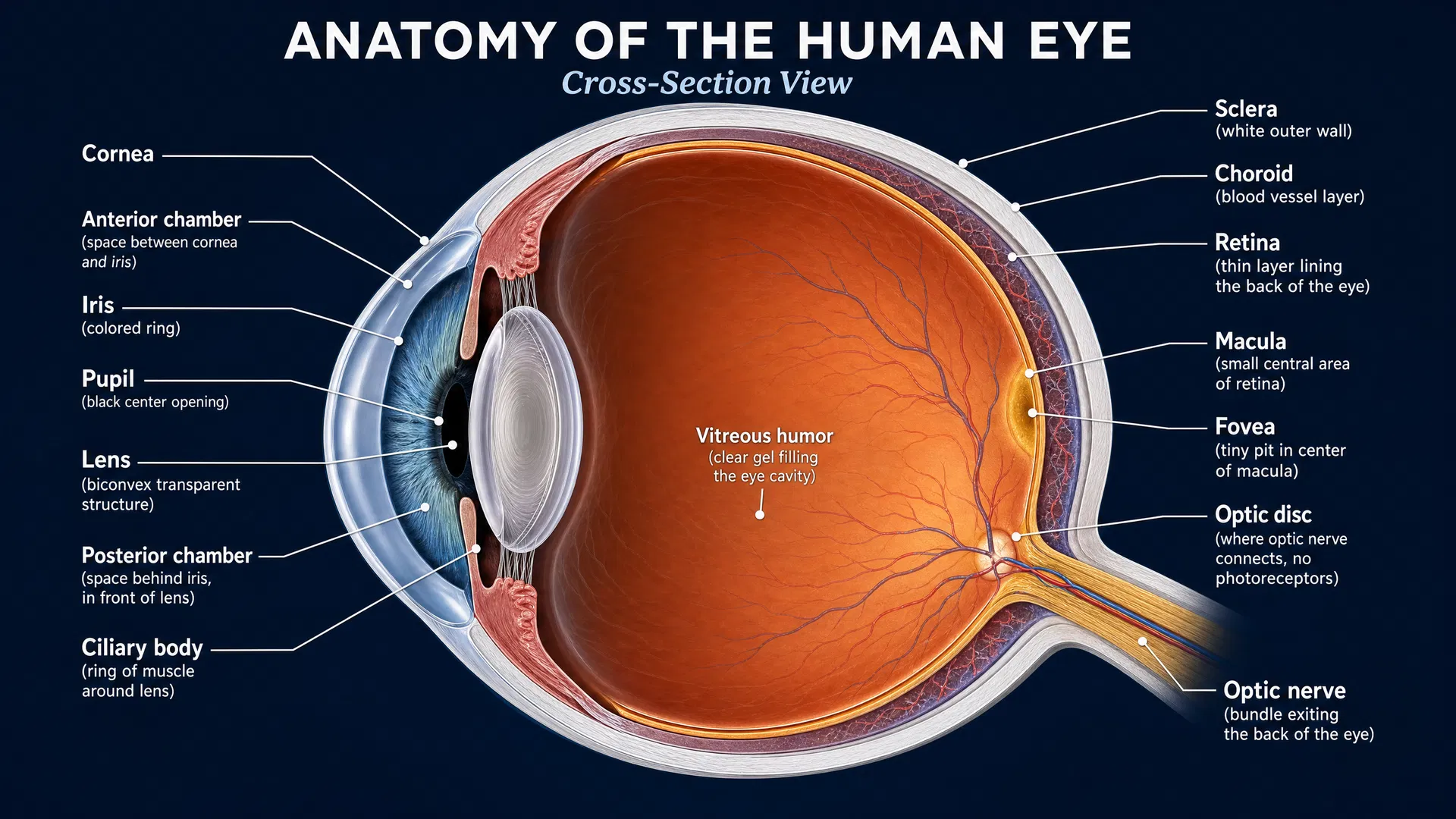
Retinitis pigmentosa (RP) is a group of inherited retinal diseases in which light-sensing cells in the retina progressively stop working and are lost. For people and families affected by RP, the central challenge is not only slowing further vision loss, but also finding ways to restore cells and visual function that have already been lost.
A 2026 narrative review in Biotechnology Journal, “Stem Cell-Based Strategies for Retinal Cell Restoration,” examines the rapidly developing field of regenerative retinal medicine. The review considers RP alongside other retinal conditions, including age-related macular degeneration, diabetic retinopathy, and inherited retinal dystrophies. Its key message is both hopeful and realistic: stem cell-based approaches may eventually help repair the retina through several different mechanisms, but important scientific and safety barriers must be overcome before these strategies become routine care.
More Than Cell Replacement
Stem cells are cells with the capacity to develop into specialized cell types. In retinal research, they are being studied because they may offer a way to produce cells relevant to the retina and potentially replace cells damaged by disease.
Cell replacement is one major goal. In RP, this could mean creating retinal cells that could support or replace cells lost during degeneration. However, the review emphasizes that stem-cell approaches are not limited to transplanting new cells. Researchers are also investigating whether stem cell-based treatments can:
- Stimulate the retina’s own repair responses. This approach aims to encourage remaining retinal tissue to support recovery or preservation.
- Reprogram cells. Cellular reprogramming seeks to change one type of cell into another, potentially creating retinal-relevant cells from cells already present in the body.
- Modify inflammation and immune activity. Some stem cell-based strategies may help shape the immune environment in ways that are more supportive of retinal survival.
- Send beneficial biological signals. Cells can release molecules that influence nearby tissue, potentially helping protect or support remaining retinal cells.
For RP, where disease processes and genetic causes can vary greatly from person to person, this broader set of possible mechanisms is important. A future regenerative therapy may not look the same for every form or stage of RP.
The Cell Sources and Platforms Under Study
The review compares the major stem cell sources being explored for retinal regeneration. Each source has a different biological rationale, therapeutic potential, and level of readiness for translation into patient care. Rather than identifying one universal solution, the paper presents retinal regeneration as a field in which multiple approaches may have distinct roles.
The authors also highlight two emerging platforms: extracellular vesicles and retinal organoids.
Extracellular vesicles are tiny packages released by cells. They can carry biological signals between cells and may offer a way to capture some of the supportive, signaling effects of stem cells without transplanting whole cells. This is of particular interest because a cell-free approach could potentially avoid some challenges associated with keeping transplanted cells alive and integrated in the retina.
Retinal organoids are laboratory-grown, three-dimensional structures that model aspects of retinal development and organization. They are valuable research tools for studying retinal disease, evaluating treatments, and advancing strategies to generate retinal cells. For inherited retinal diseases such as RP, organoids may help researchers investigate disease biology in a human retinal model and develop better methods for producing cells intended for restoration.
Why Progress Is Promising but Not Yet Routine
The review notes encouraging preclinical and clinical progress across retinal stem cell research. Yet it also makes clear that regenerative treatment remains technically demanding.
A transplanted retinal cell must do far more than survive. It may need to reach the correct retinal location, connect appropriately with surrounding cells, and function over the long term. Poor survival and incomplete integration of transplanted cells remain major obstacles.
Other key concerns include immune rejection, the possibility of tumor formation, genomic instability, and variation in how efficiently stem cells can be guided into the desired cell type. Manufacturing is another critical challenge. Treatments must be produced consistently and standardized carefully if they are to be evaluated reliably and used broadly. Long-term safety is especially important for therapies intended to affect a delicate tissue such as the retina.
Importantly, this publication is a narrative review of the field, not a report of a new RP treatment trial. Its value lies in bringing together the current rationale, evidence, opportunities, and limitations shaping the path toward regenerative retinal therapies.
What This Could Mean for Future RP Care
Today’s treatment development for RP includes strategies aimed at specific disease mechanisms, including gene-based approaches for some genetic forms of disease. Stem cell-based regeneration could eventually add a different therapeutic goal: restoring or supporting retinal cells after degeneration has occurred.
The most effective future care may combine approaches. For example, a treatment designed to address an underlying disease process could potentially be paired with a regenerative strategy intended to preserve, support, or restore retinal tissue. Advances in tissue engineering, gene editing, stem cell biology, and clinical trial design are all expected to contribute to this progress.
A Field Moving From Possibility to Practicality
For the RP community, stem cell research represents a long-term effort to move beyond managing decline toward rebuilding retinal function. The road ahead requires rigorous work on safety, cell survival, integration, manufacturing, and durable benefit. Still, the range of approaches described in this review—from cell replacement and cellular signaling to extracellular vesicles and retinal organoids—shows how broadly researchers are pursuing that goal.
The next phase will depend on translating promising laboratory findings into carefully designed clinical studies. As the science matures, regenerative medicine may become an increasingly important part of the search for treatments that not only protect remaining vision, but also help restore what retinal disease has taken away.