Why this finding matters
Joubert syndrome (JS) is a rare neurodevelopmental condition caused by changes in genes that support the function of cellular structures called primary cilia. These tiny, antenna-like structures help cells sense and respond to signals during development and throughout life. Because cilia are important in many organs, Joubert syndrome can affect not only the brain but also the kidneys, eyes, liver, and skeleton.
For patients and families, identifying the gene responsible for JS can provide an explanation for a child’s features, inform monitoring for complications outside the brain, and help clarify inheritance within a family. A 2026 report in the American Journal of Medical Genetics Part A adds TTC21B to the growing genetic landscape of Joubert syndrome. The publication describes the first reported individual with molecularly confirmed JS caused by disease-causing changes in both copies of this gene.
From possible modifier to causative gene
TTC21B contains instructions for making IFT139, a protein involved in retrograde intraflagellar transport. Put simply, cilia need a highly organized transport system to move proteins and other materials along their length. IFT139 helps carry material back from the tip of the cilium toward the cell body. When this transport process is disrupted, cilia may not form or function normally.
Before this report, harmful changes in both copies of TTC21B were already known to cause ciliopathies involving the kidneys and skeleton. In earlier studies, a harmful change in only one copy of TTC21B was also found more often than expected in people with a range of ciliopathy features, including several individuals with Joubert syndrome. This led researchers to propose that TTC21B might act as a modifier gene—a gene that can influence the severity or nature of disease caused primarily by another gene.
The new report changes that interpretation in an important way. It supports TTC21B not only as a potential modifier, but as a gene that can directly cause Joubert syndrome when both gene copies carry pathogenic variants.
The key clinical finding
The reported patient had two copies of the same TTC21B variant, called p.Pro209Leu. This variant is described as hypomorphic, meaning it is expected to reduce protein function rather than eliminate it completely. It is also a founder variant, a change that has become relatively more common in a particular population because it was inherited from a shared ancestor.
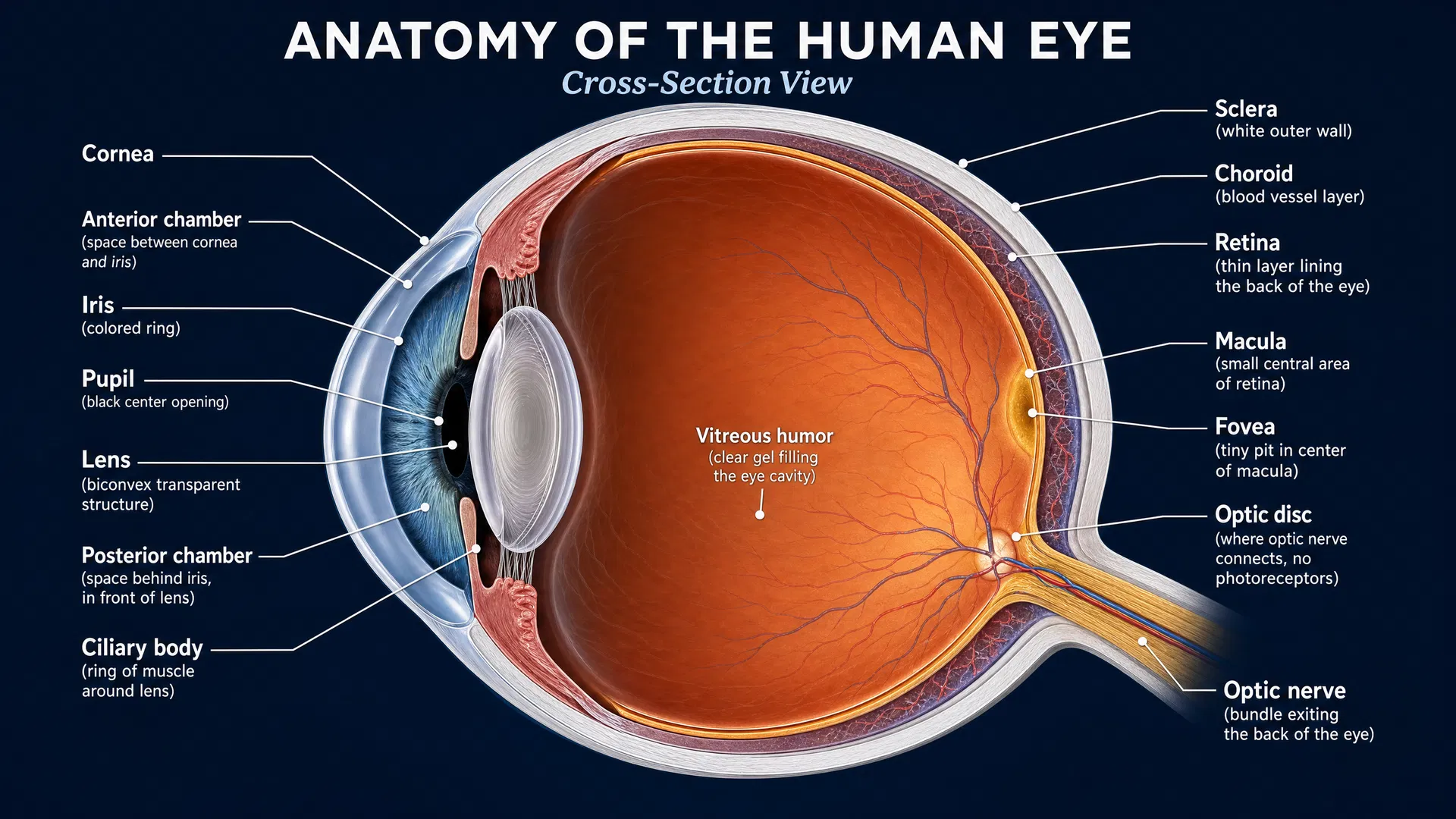
The patient had neurological and brain-imaging findings typical of Joubert syndrome. JS is defined by a distinctive cerebellar and brainstem malformation seen on MRI, often called the molar tooth sign because of its characteristic appearance. The individual also had mild kidney dysplasia, meaning the kidneys had developed abnormally, and retinal dystrophy, a condition involving progressive damage to the light-sensitive retina.
This combination is biologically consistent with a ciliopathy. The brain, retina, and kidneys all depend on healthy cilia for normal development and cellular signaling. The case therefore broadens the recognized range of TTC21B-associated disease, linking a gene previously associated chiefly with renal and skeletal ciliopathies to the hallmark neurological features of JS.
Implications for genetic testing and clinical care
This single case does not mean that TTC21B is a common cause of Joubert syndrome. However, it provides strong evidence that TTC21B should be considered when genetic testing is being interpreted in a person with JS, particularly when kidney or retinal findings are also present.
The report also illustrates why comprehensive genetic testing matters in ciliopathies. These conditions can look similar clinically while arising from changes in many different genes. In addition, the effects of a variant may depend on whether it is present in one or both copies of a gene and whether it severely disrupts function or leaves some function intact.
For families, a confirmed biallelic TTC21B diagnosis may help explain the pattern of inheritance. “Biallelic” means that both copies of the gene are affected—typically one inherited from each parent. It may also encourage careful attention to organ systems highlighted in this case, including renal structure and function and retinal health, alongside neurological assessment.
What it could mean for future treatments
The study does not test a treatment or establish a TTC21B-targeted therapy. Its most immediate value is diagnostic: it strengthens the evidence needed to connect a specific gene with a specific clinical condition.
That foundation is essential for future precision-medicine research. Gene-specific natural-history studies can help researchers understand how TTC21B-related JS changes over time, which features are most consistent, and which outcomes could be measured in future clinical studies. Understanding that p.Pro209Leu is hypomorphic may also be relevant to research aimed at restoring or increasing residual protein function, although such approaches remain investigational.
More broadly, the finding reinforces the importance of studying ciliary transport pathways. Genes that participate in the same cellular process may reveal shared disease mechanisms and, eventually, opportunities to develop treatments that address consequences of ciliary dysfunction across more than one genetic form of disease.
A growing and more precise Joubert syndrome landscape
This publication shows how the classification of rare genetic disease evolves. TTC21B moved from being viewed as a possible genetic modifier to a confirmed cause of Joubert syndrome based on careful clinical assessment, brain imaging, and molecular testing in one well-characterized patient.
As additional people with TTC21B-related disease are identified, researchers will be able to better define the full range of neurological, kidney, eye, and skeletal features. Each new genetically confirmed case can improve diagnosis, guide clinical observation, and build the knowledge required for future therapeutic research in Joubert syndrome and related ciliopathies.